Spray Foam vs. Fiberglass: What Insulation Experts Like Sunlight Contractors Recommend for Slidell Homes
Are you tired of fighting a losing battle against high summer energy bills and that sticky, humid feeling that creeps into your home? You’re not alone. Here at homesinslidell.com, we’re dedicated to providing Slidell homeowners with clear, expert-backed advice to improve their home’s comfort, value, and efficiency. One of the most critical decisions you can make for your home is choosing the right insulation. But the “Spray Foam vs. Fiberglass” debate can be confusing, filled with technical jargon and conflicting claims.
To cut through the noise, we’re breaking down what you need to know, drawing on the recommendations of top local insulation experts like Sunlight Contractors, who work in Slidell homes every day. They understand our unique climate challenges and what it takes to create a truly comfortable and energy-efficient living space in Southeast Louisiana.
Key Takeaways
- For Slidell’s Climate: Due to high humidity and intense heat, moisture control and air sealing are just as important as R-value when choosing insulation.
- Fiberglass: A traditional, lower-cost option, but it can lose effectiveness when it gets damp and does not stop the air leakage that lets humid air into your home.
- Spray Foam: Offers a superior air and moisture barrier in a single product, making it highly effective for Slidell, though it has a higher upfront cost.
- Expert Recommendation: Local professionals, including the experienced teams at Sunlight Contractors, often recommend closed-cell spray foam for its long-term performance and resilience in Louisiana’s demanding climate.
- The Bottom Line: The initial investment in spray foam often results in greater long-term energy savings, improved structural integrity, and superior home comfort.
TL;DR
For most Slidell homes, insulation experts like Sunlight Contractors recommend closed-cell spray foam because it creates a superior, seamless barrier against both air and moisture. This directly combats Slidell’s high humidity and heat, leading to significantly lower energy bills, improved indoor air quality, and greater overall comfort compared to traditional fiberglass.
Choosing the right insulation for your Slidell home is critical due to our unique combination of high humidity, intense heat, and potential for severe weather.
Your home’s insulation is more than just fluff in the walls; it’s a complete performance system that dictates your comfort and your monthly budget. In a place like Slidell, that system is put to the test year-round.
The Humidity Battle: Why Moisture Control is Non-Negotiable
Slidell’s air is thick with moisture for most of the year. This ambient humidity is relentless, constantly seeking ways into your cooler, conditioned home. When it infiltrates traditional insulation, it can condense and lead to a host of problems, including mold, mildew, wood rot, and compromised indoor air quality. Your insulation should be your home’s first line of defense against this moisture intrusion, not a sponge that welcomes it in.
The Summer Heatwave: Fighting High AC Bills
The primary job of insulation is to resist the flow of heat. This property is measured in R-value—the higher the R-value, the better the insulation’s ability to stop heat transfer. Ineffective insulation allows the sweltering summer heat to radiate through your roof and walls, causing heat gain. This forces your air conditioner to work overtime just to maintain a comfortable temperature, driving up your Entergy bills. Connecting proper insulation directly to lower monthly expenses is one of the clearest returns on investment you can make in your home.
Hurricane Preparedness: Insulation’s Role in Home Resilience
Living on the Gulf Coast means preparing for severe weather is a part of life. While not its primary function, certain types of insulation can contribute to your home’s resilience. Closed-cell spray foam, for example, acts as a high-strength adhesive when applied, effectively “gluing” the roof deck to the rafters. This can add significant structural rigidity to your roof and walls, a valuable benefit in a hurricane-prone area.
Fiberglass insulation is a traditional, budget-friendly option, but its performance can be compromised by moisture and air leakage common in Slidell.
For decades, those pink or yellow batts of fiberglass have been the go-to standard for home insulation. It’s a familiar product with a long history, but its effectiveness in a climate like ours deserves a closer look.
How Fiberglass Works: Trapping Pockets of Air
Fiberglass Insulation: A material made from extremely fine glass fibers, installed as either pre-cut batts or a loose, blown-in product. It works by trapping pockets of still air within its fibers, which slows the movement of heat.
It’s common because it’s inexpensive and has been the standard for a long time, making it familiar to builders and homeowners alike.
The Pros of Fiberglass for Slidell Homeowners
- Lower Upfront Cost: This is the primary advantage of fiberglass. It is one of the most budget-conscious insulation materials available.
- Wide Availability: You can find fiberglass insulation at any major home improvement store, and most contractors are familiar with installing it.
- Good Fire Resistance: Fiberglass is naturally non-combustible, providing an added layer of safety.
The Cons of Fiberglass in a Humid Climate
- Moisture Absorption: Fiberglass acts like a sponge. When it absorbs moisture from our humid air, its fluffy, air-trapping structure compresses. This drastically reduces its R-value, sometimes to almost zero.
- Air Permeability: Fiberglass batts do not stop air movement. Hot, humid air can easily pass through the seams between batts and any gaps around pipes or wiring. This air leakage is a major source of energy loss and humidity intrusion.
- Potential for Mold: Because it holds moisture, damp fiberglass can become a prime breeding ground for mold and mildew, negatively impacting your home’s air quality.
- Settling Over Time: Blown-in fiberglass in attics and walls can settle and compact over the years, creating uninsulated gaps at the top of wall cavities and reducing its overall effectiveness.
Spray foam insulation creates a superior air and moisture barrier, making it a powerful long-term solution for Slidell’s specific climate challenges.
Spray polyurethane foam (SPF) is a modern insulation solution that addresses the key weaknesses of traditional materials. It’s applied as a liquid and expands on contact, offering a fundamentally different approach to insulating a home.
How Spray Foam Works: Expanding to Fill Every Gap
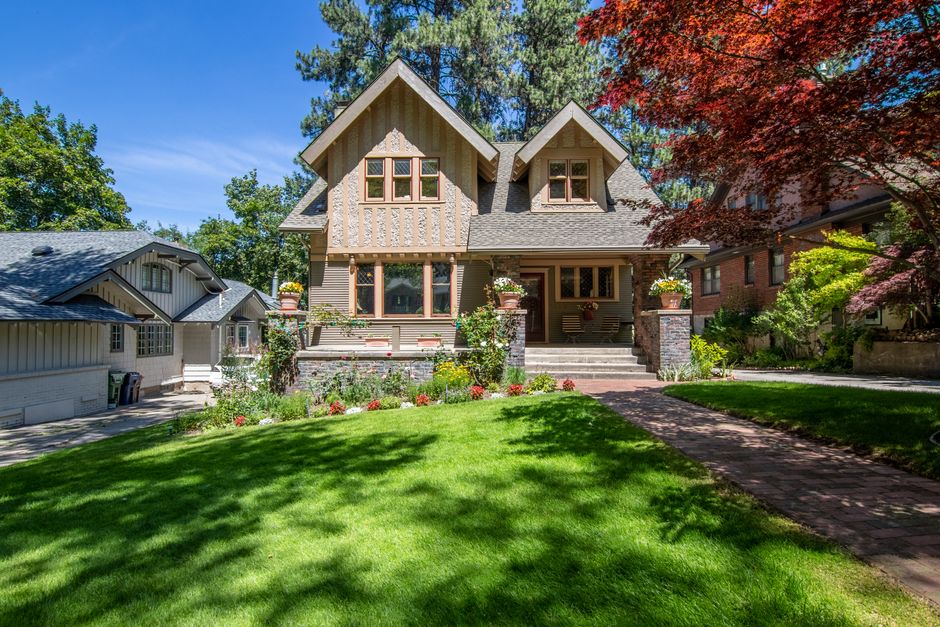
Spray Foam Insulation: A two-part liquid chemical product that reacts and expands up to 100 times its original volume when sprayed onto a surface. It hardens into a solid, seamless layer that fills every crack, crevice, and gap, creating a monolithic, airtight seal.
This ability to create a perfect seal is what sets it apart. It doesn’t just insulate; it also air-seals your home in one step.
Open-Cell vs. Closed-Cell: What Experts Recommend for Slidell
Spray foam comes in two main types, and choosing the right one for our climate is critical.
- Open-Cell Foam: This foam has a softer, more flexible, sponge-like texture. It’s an excellent sound dampener, but it is vapor-permeable, meaning water vapor can pass through it.
- Closed-Cell Foam: This foam is rigid and dense. Its cell structure is completely closed, making it a true vapor barrier that blocks moisture. It also has a higher R-value per inch and adds structural strength.
The Slidell Verdict: The expertise of professionals like Sunlight Contractors, who have served the spray foam insulation needs of homeowners and businesses in all of Louisiana for over 18 years, points directly to closed-cell foam. Its superior moisture-blocking capability is essential for preventing the humidity-related problems that plague homes in our region.
The Pros of Spray Foam for Slidell Homeowners
- Exceptional Air Seal: By expanding to fill every gap, spray foam can dramatically reduce energy loss from air leakage, which can be a home’s biggest source of inefficiency.
- Impermeable to Moisture: Closed-cell foam does not absorb water. It acts as a powerful moisture barrier, protecting your home’s structure from rot and mold.
- High, Permanent R-Value: Spray foam does not sag, settle, or lose its insulating power over time. Its R-value is locked in for the life of your home.
- Deters Pests: The rigid, solid barrier created by spray foam is unappealing to insects and rodents, who cannot easily nest in or chew through it.
When directly compared for the Slidell environment, spray foam consistently outperforms fiberglass in key areas like moisture management, energy efficiency, and long-term value.
Looking at the materials side-by-side reveals a clear winner for homes that have to contend with Louisiana’s heat and humidity.
Head-to-Head Comparison Table: Slidell Edition
| Feature | Fiberglass Insulation | Closed-Cell Spray Foam |
|---|---|---|
| Air Seal | Poor | Excellent |
| Moisture Barrier | Poor (Absorbs Water) | Excellent (Blocks Water) |
| R-Value/Inch | ~R-3.5 | ~R-6.5 |
| Lifespan | 15-25 Years (Degrades) | 80+ Years (Lifetime of Home) |
| Upfront Cost | Low | High |
| Long-Term Value | Moderate | Excellent |
R-values are approximate and can vary by manufacturer. Source: U.S. Department of Energy.
Why R-Value Isn’t the Whole Story: The Air Seal Advantage
A home insulated with a lower R-value material but with a perfect air seal (spray foam) will almost always outperform a home with a higher R-value material riddled with air leaks (fiberglass). Think of it this way: it’s like wearing a thick wool sweater (fiberglass) versus a modern windbreaker (spray foam) on a windy day. The sweater is thick, but the wind cuts right through it, making you cold. The windbreaker stops the air completely, keeping you much warmer. In Slidell, that “wind” is hot, humid air trying to get in.
Calculating the ROI: Why the Upfront Cost Can Be Misleading
While spray foam has a higher initial cost, its superior performance can lead to significant energy savings that offset that cost over time. Many homeowners see a reduction in their heating and cooling costs by 30% or more. Furthermore, because a spray-foamed home is so much more efficient, you may be able to install a smaller, less expensive HVAC system. The reduced strain on your AC unit can also extend its lifespan, adding to the long-term savings.
Based on extensive local experience, insulation experts like Sunlight Contractors recommend closed-cell spray foam for most Slidell homes to achieve maximum energy savings and moisture protection.
The professional consensus is built on seeing firsthand what works and what doesn’t in our challenging climate.
Why Local Pros Prioritize a “Systems” Approach
Experienced professionals view insulation not as a standalone product, but as a critical part of a complete home performance system. The trusted Slidell, LA professionals at Sunlight Contractors understand that spray foam’s ability to both insulate and air seal solves the root cause of many comfort and efficiency problems. It addresses heat gain, air leakage, and moisture intrusion simultaneously, which is why it’s the professional recommendation for achieving a truly high-performing home.
Are There Cases Where Fiberglass Still Makes Sense?
To provide a balanced view, fiberglass can still be a viable option in certain situations. For interior walls where the goal is primarily sound reduction rather than thermal performance, it’s a cost-effective choice. It can also be used in projects with extremely strict budget constraints, but only if air sealing is addressed meticulously as a separate step using caulks, tapes, and sealants—a labor-intensive process that can close the cost gap.
The Critical Importance of Professional Installation
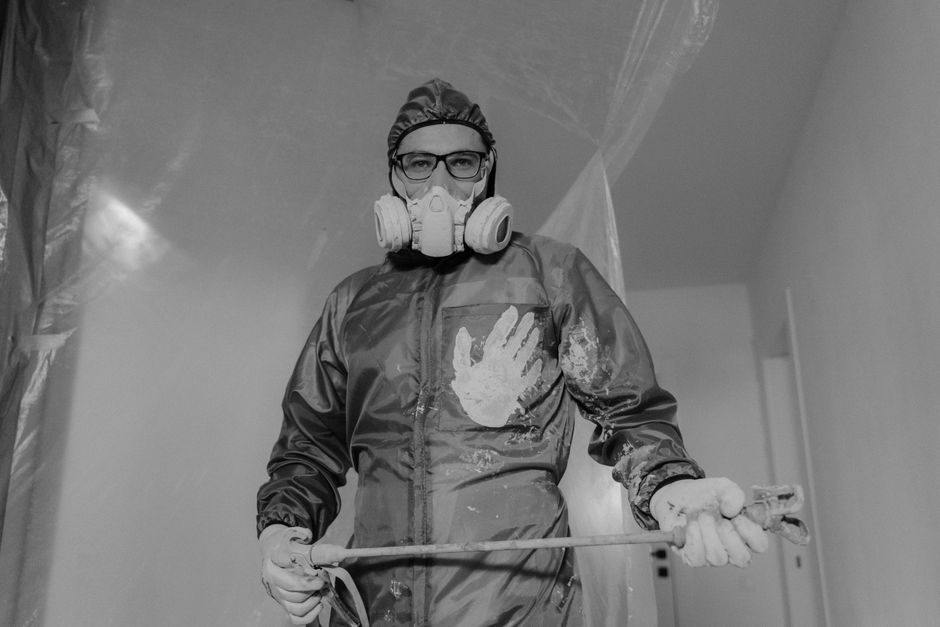
The performance of any insulation is only as good as its installation. This is especially true for spray foam, which is a complex chemical product manufactured on-site. It requires certified, experienced technicians with specialized equipment to ensure it is applied safely, at the correct thickness, and in the right conditions. This is not a DIY project. Hiring a vetted expert is essential to guaranteeing the safety and effectiveness of the final product.
At homesinslidell.com, our mission is to connect you with reliable information and trusted local professionals to make the best decisions for your home.
We believe an educated homeowner is an empowered homeowner. As you consider upgrading your home’s insulation, finding the right partner for the job is just as important as choosing the right material. You can find more resources by exploring our various sitemaps, including our property listings and community features.
What to Look for in a Slidell Insulation Contractor
- Licensed and Insured: Ensure they hold the proper licenses and insurance for work in Louisiana.
- Local Experience: Look for a company with a proven track record of working on Slidell’s specific home types and understanding our local building codes.
- Comprehensive Assessment: A good contractor won’t just give you a quote over the phone. They should offer a comprehensive home energy assessment to identify all areas of energy loss.
- Detailed Quotes: They should provide clear, itemized quotes that explain the scope of work, materials used, and total cost.
- Positive Reviews: Check for positive local reviews and ask for references from past clients in the area.
Your Next Steps to a More Comfortable, Efficient Home
Now that you’re armed with expert knowledge, you can move from learning to action. The best way to understand your home’s unique needs is to have a professional evaluate it. An energy audit can pinpoint exactly where your home is losing energy and which insulation solution will provide the greatest benefit. For more general information, you can browse our blog posts or our main site pages.
The Final Verdict for Your Slidell Home
While fiberglass insulation is a familiar and budget-friendly option, the unique and demanding challenges of Slidell’s heat and humidity call for a higher-performance solution. For homeowners seeking the best long-term protection against high energy bills, moisture damage, and persistent discomfort, the expert consensus points decisively towards closed-cell spray foam. It is an investment in your home’s health, efficiency, and resilience that pays dividends for decades to come.